
Video
The Kibbutzim
The kibbutz movement, with its founding principle of ‘To everyone according to their need, and from everyone according to their ability,’ echoes the aspirations of its founders in 1909, connecting us to a significant moment in history.
The name “kibbutz” means to gather together in a collective settlement. Within the kibbutz community, those committed to this believed it to be the “purest form of communism” because all the members, or kibbutzniks, willingly shared all things in common for the good of all.
In the early days, even the children were raised communally, living away from their parents in special children’s houses. During the day, they were taught by teachers within the community; they visited their parent’s house for a few hours at the end of the day. They then returned to the children’s houses in the evening to sleep with the other children on the kibbutz. The 1970s changed the arrangement of the children’s housing because parents wanted their children at home with them. However, the community still wanted their children to go to school on the kibbutz.
The kibbutz was founded in the early 1900s to develop the land of Palestine in preparation for the ingathering of Jews anticipated in the years to come. It became a movement of settlements springing up throughout the land. This system continues to support Israeli society today through agricultural and technological expertise, albeit less than in the early days.
An estimated 250 kibbutzim (plural for kibbutz) exist today. However, a considerable difference exists between the strict ideals and discipline that characterized the first kibbutz and the reality of the 21st-century kibbutz. Where it was once considered nearly heresy to own or possess anything personally, today, it is considered acceptable and even encouraged.
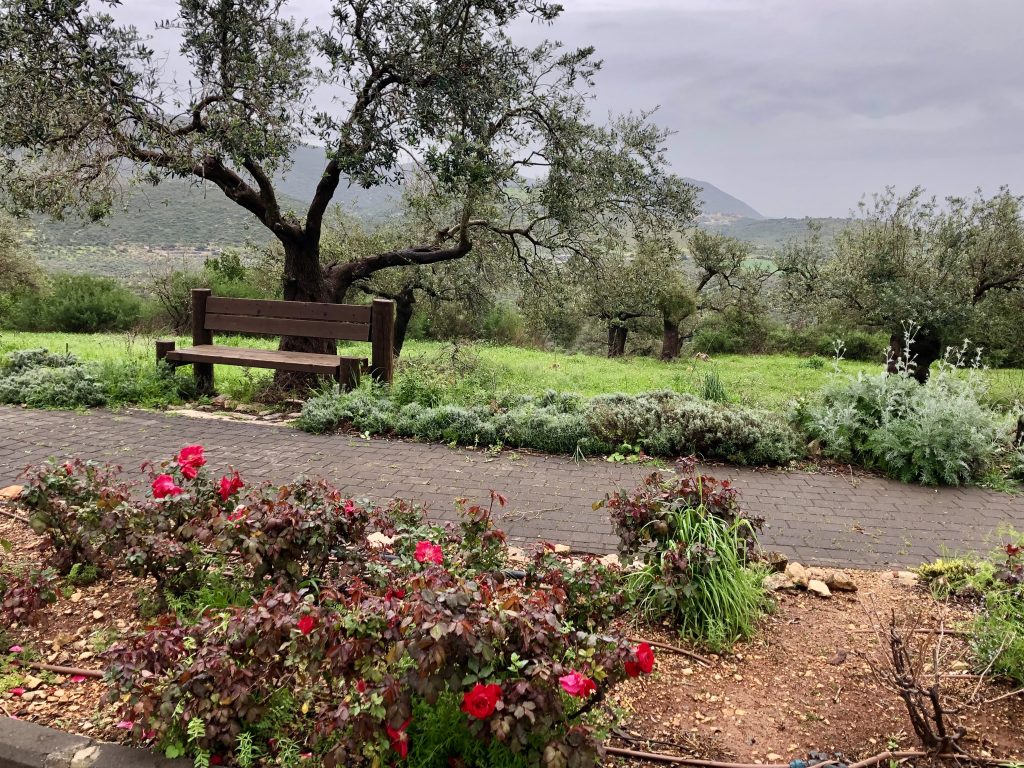
Change is inevitable even when ideals are passed from generation to generation. Past generations cooperatively acquired resources and polished skills to pioneer and develop the new State of Israel. In contrast, today’s generation is being challenged to adapt to their accumulated resources and individually sharpened skills to maintain and encourage profitability for the kibbutzim and support the established State of Israel.
Despite the evolving structure and organization of the kibbutzim, the enduring spirit of camaraderie and openness within the communities, families, and schools continues to foster a strong sense of community, making the kibbutz movement a unique and unifying way of life in Israeli society.
Chronicles of the Middle East
Video
Chronicles of the Middle East
Photos
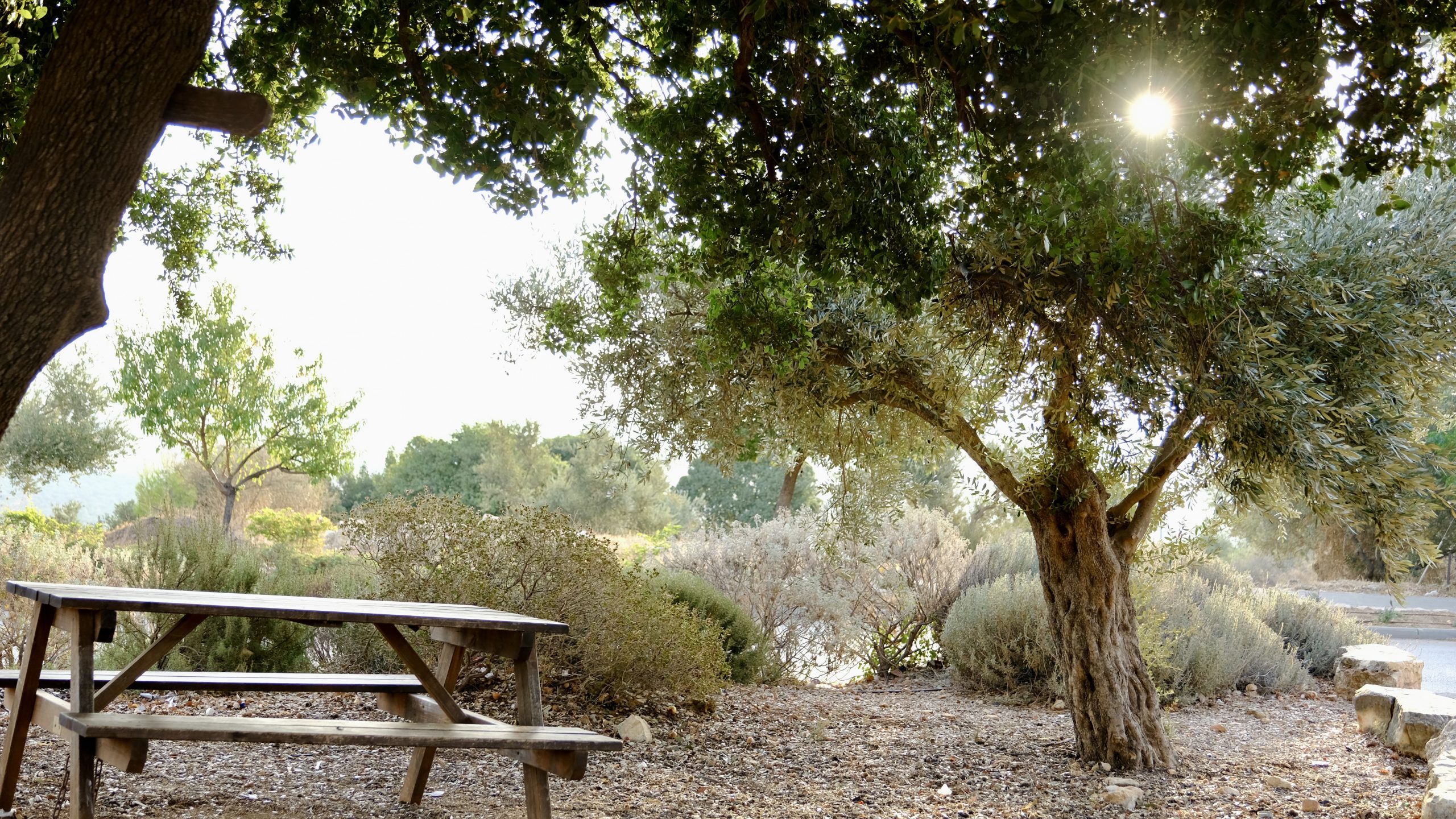
Kibbutz Moran – Sunrise
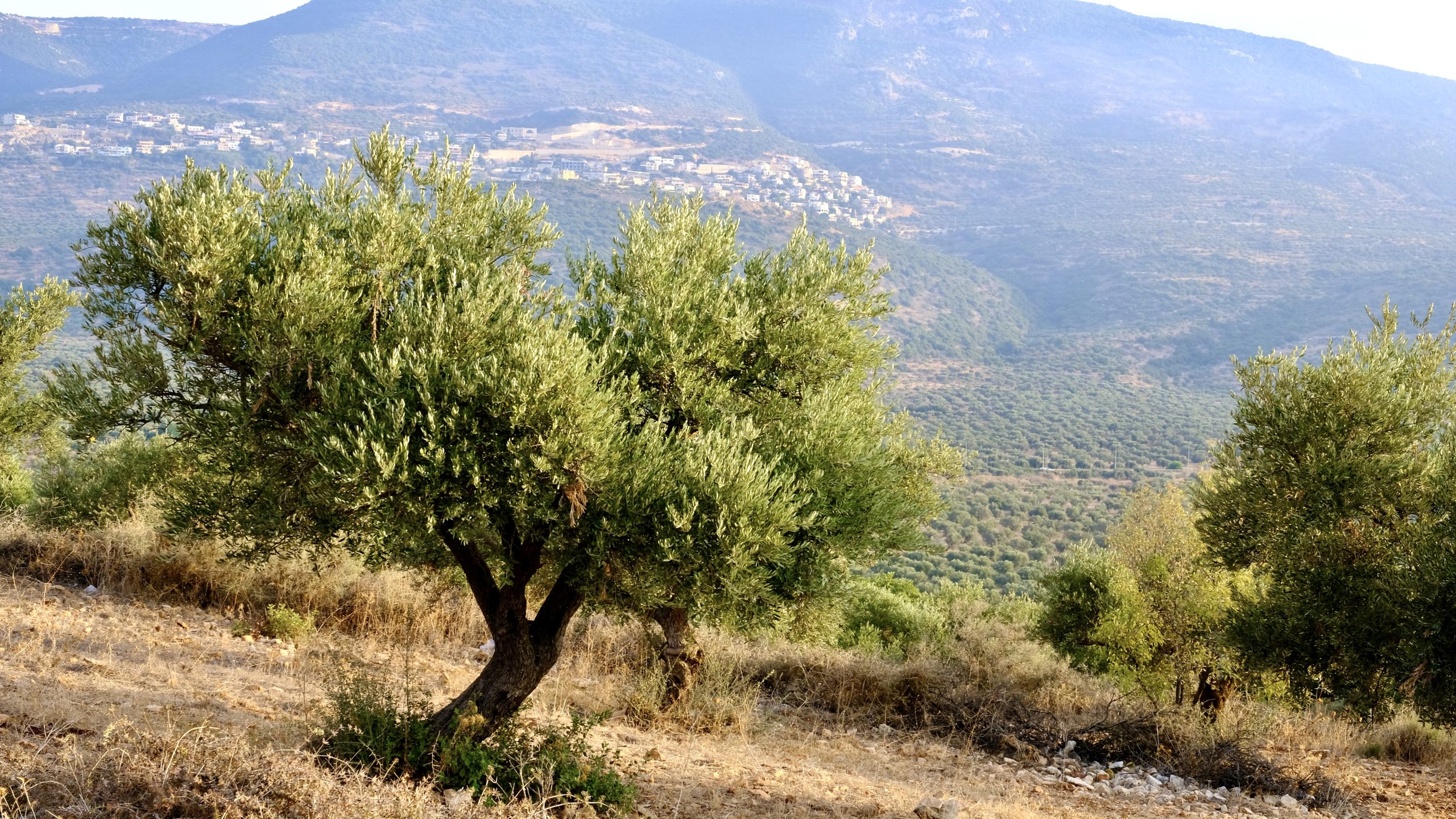
Kibbutz Moran – View from the Olive Grove

Kibbutz Moran – Flowers
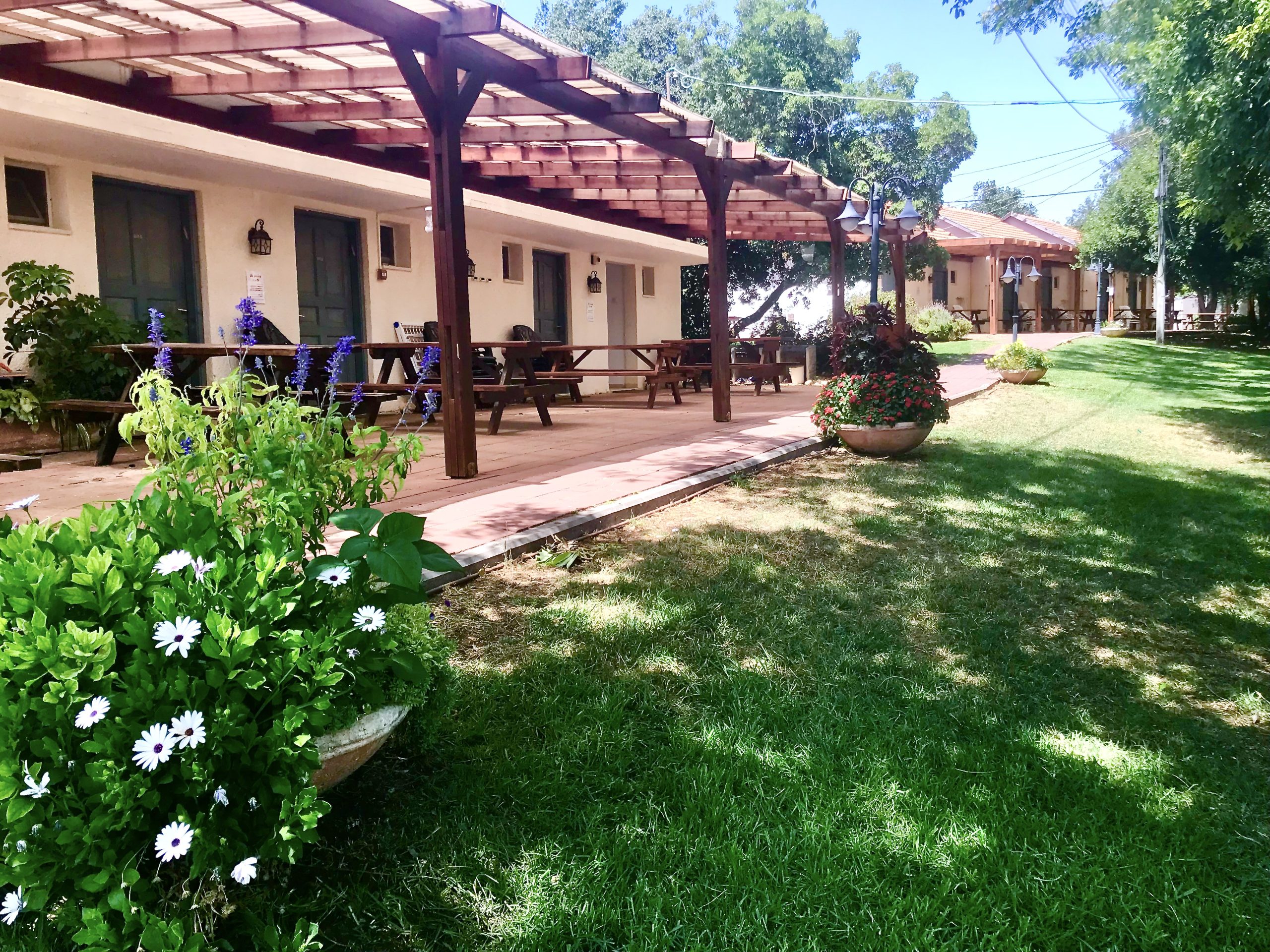
Kibbutz Moran – Housing
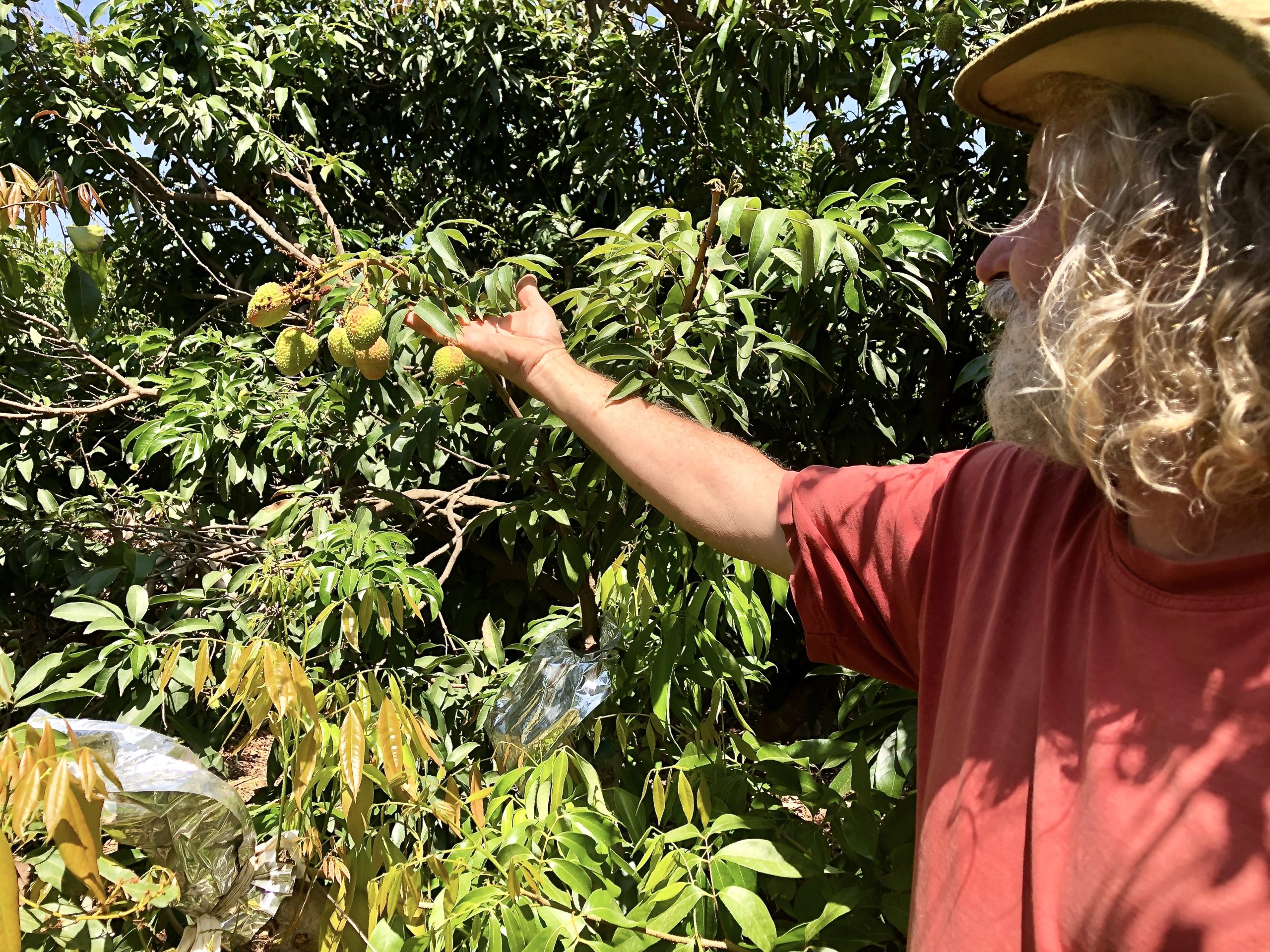
Kibbutz Moran – Dudi and Lychee

Kibbutz Moran – Garden
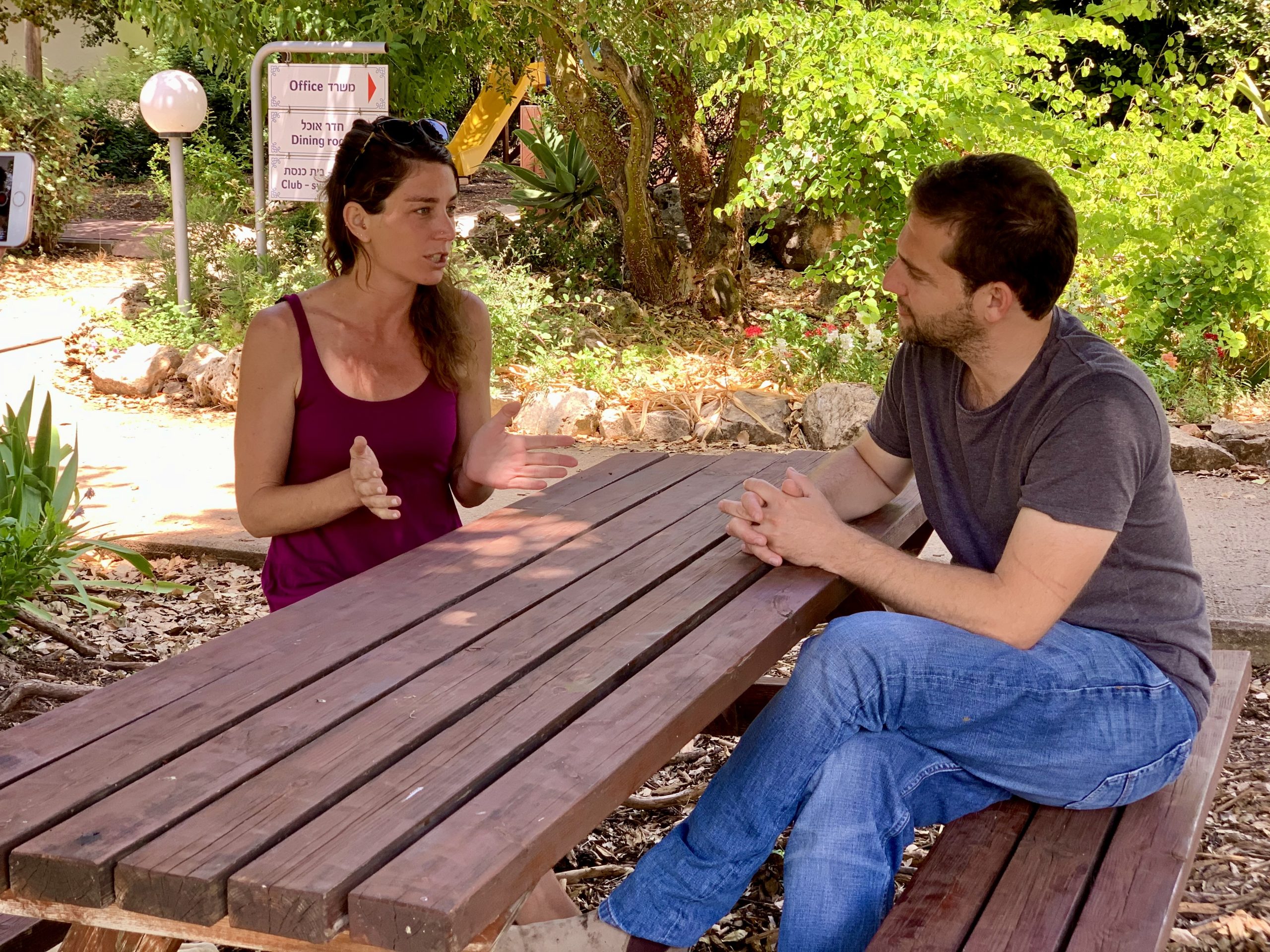
Kibbutz Moran – Edan and Or
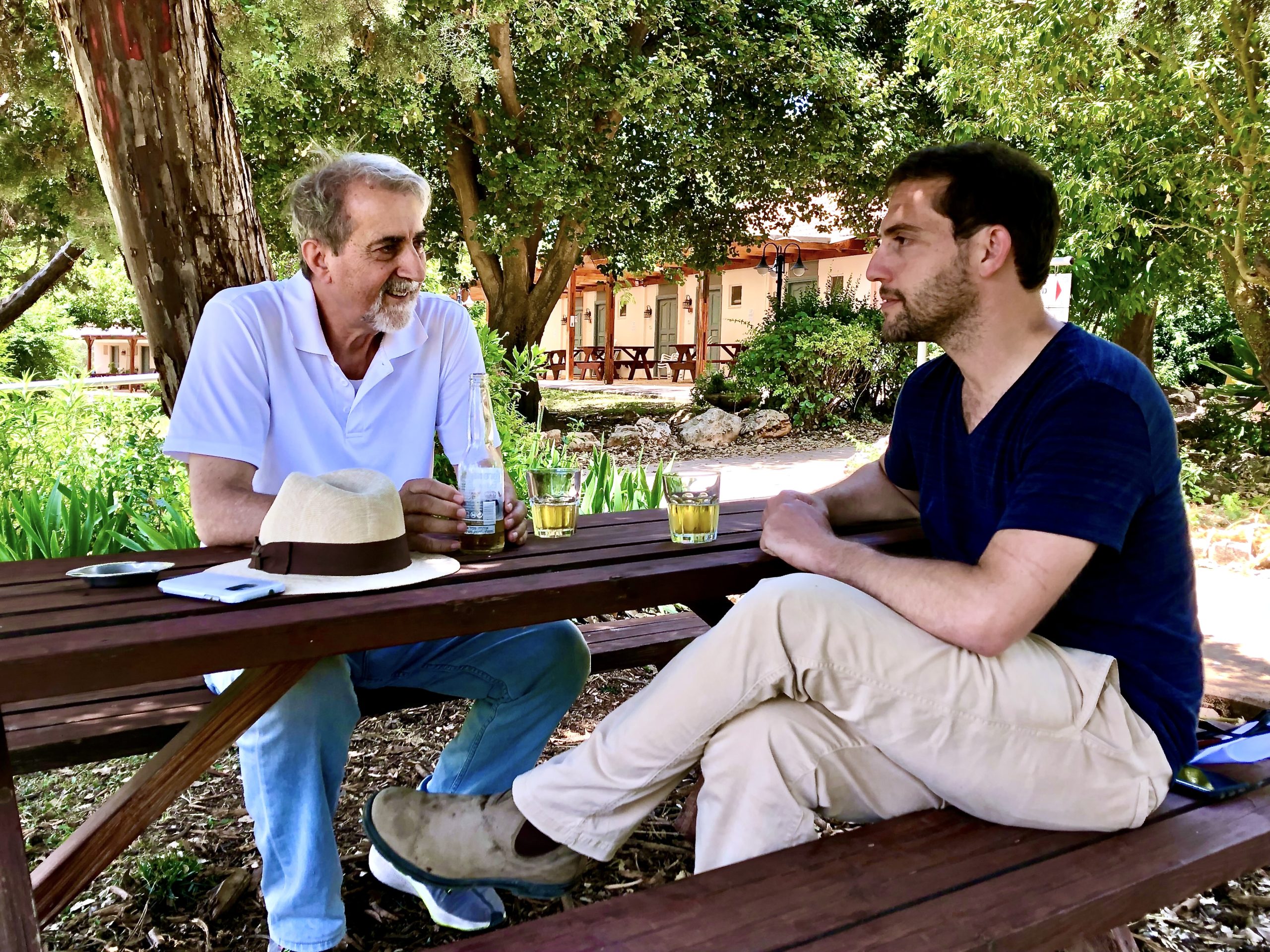
Kibbutz Moran – Yossi and Edan
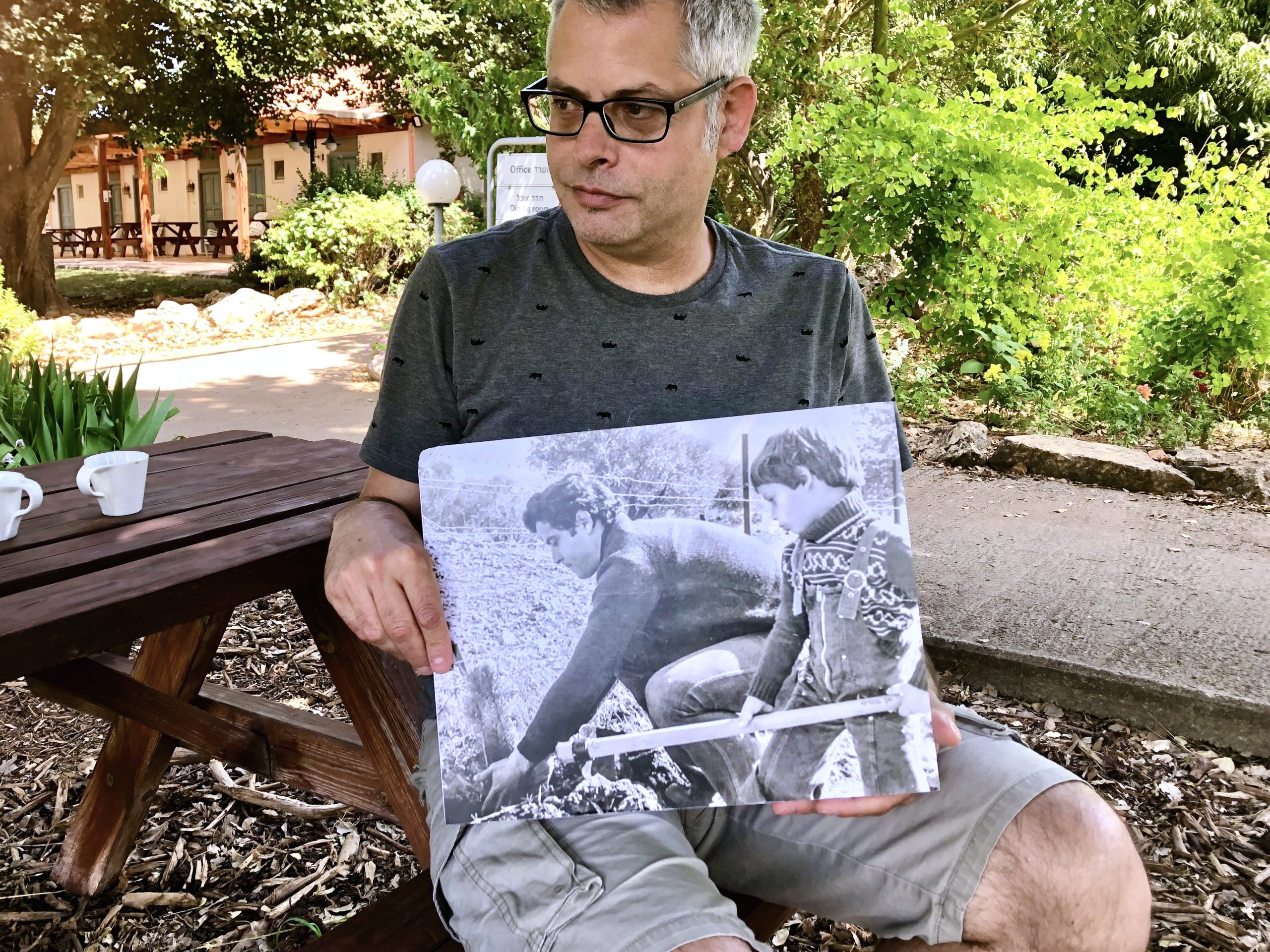
Kibbutz Moran – Tamal with Photo of Father

Kibbutz Moran – In the Mirror
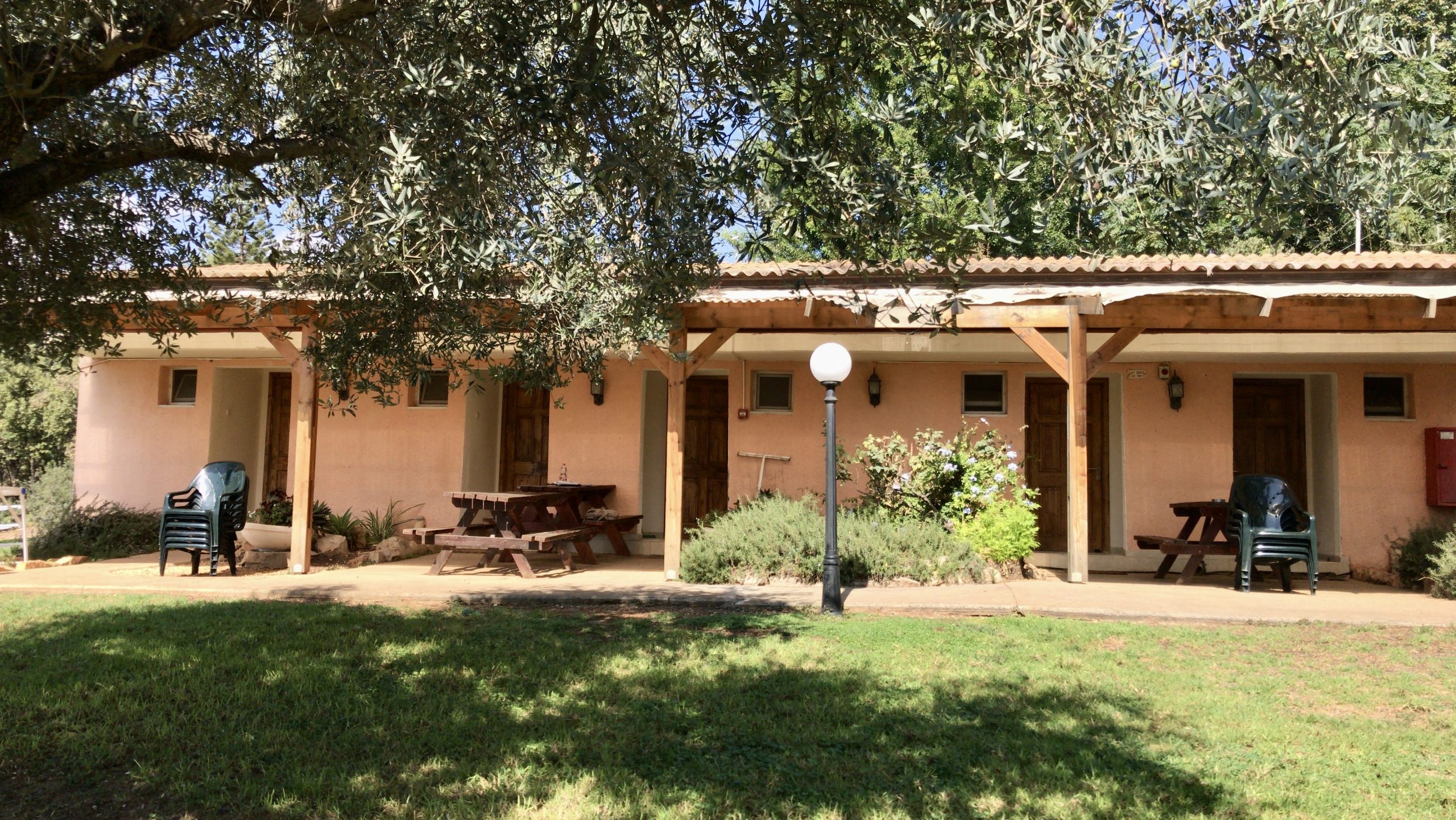
Kibbutz Moran – Country Lodging

Kibbutz Moran – Flowers at Bus Stop
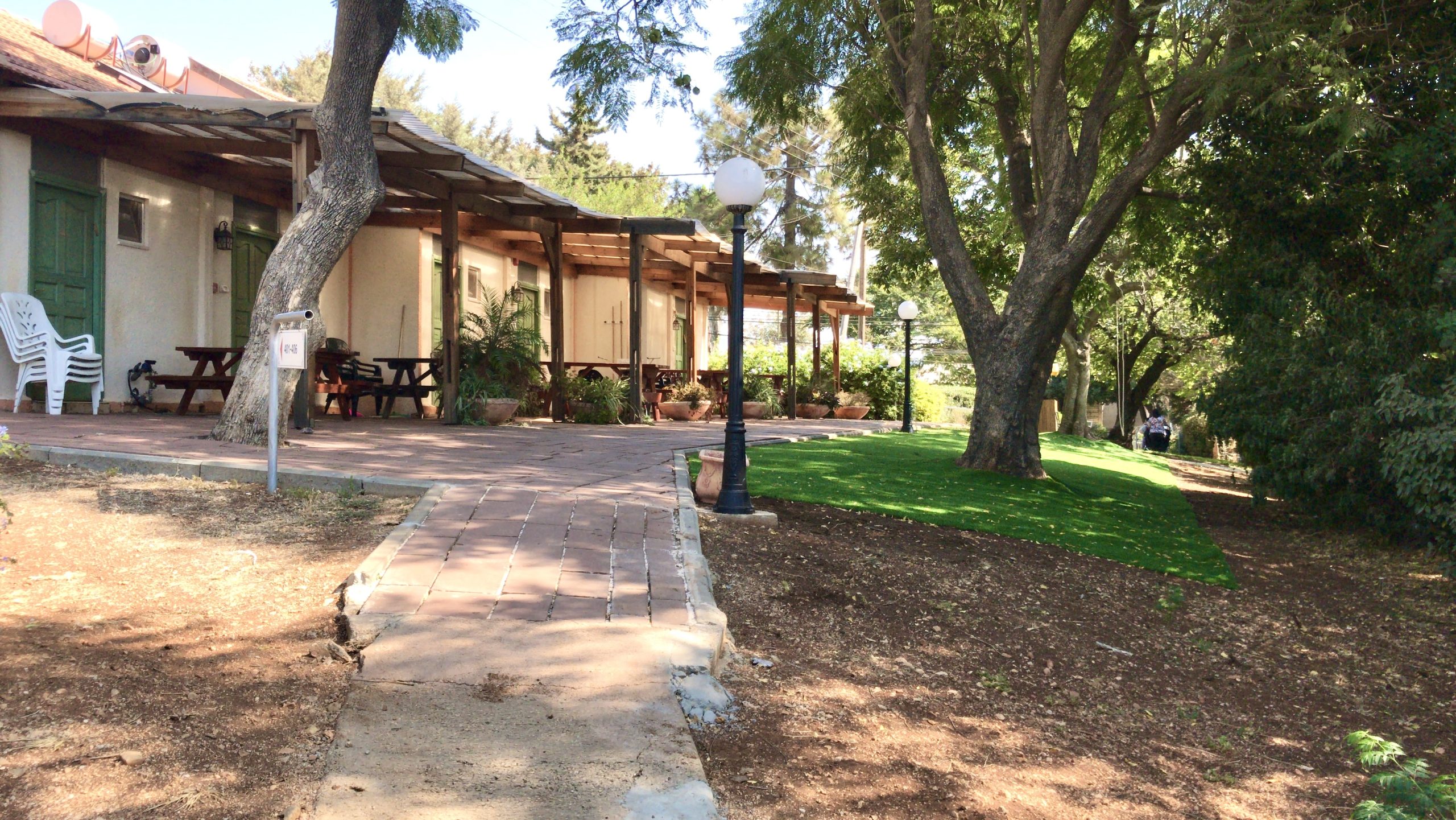
Kibbutz Moran – Entrance to Lodging